



Gill Melling Artist’s statement for exhibition
Entanglements in Marine Environments
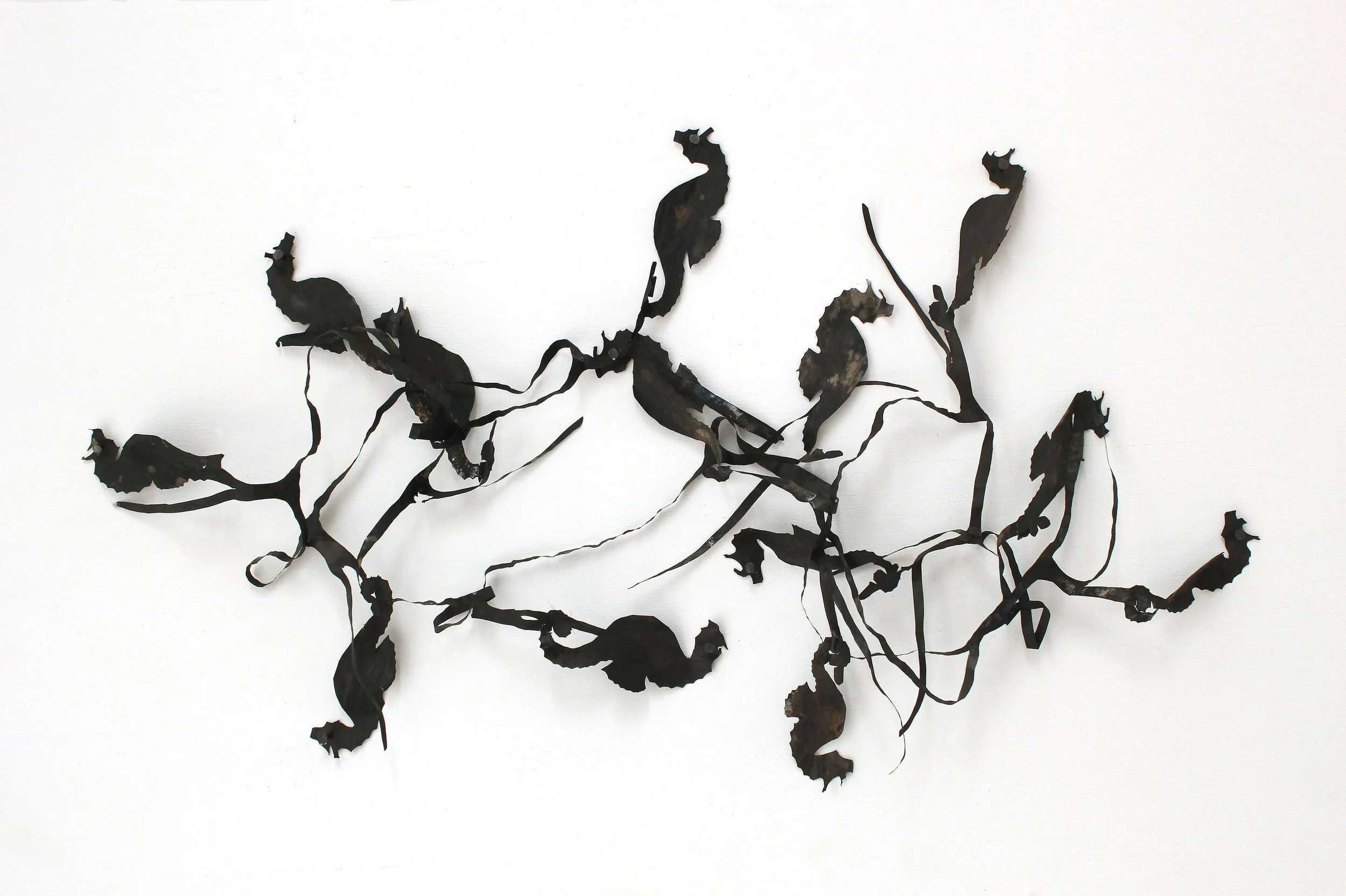
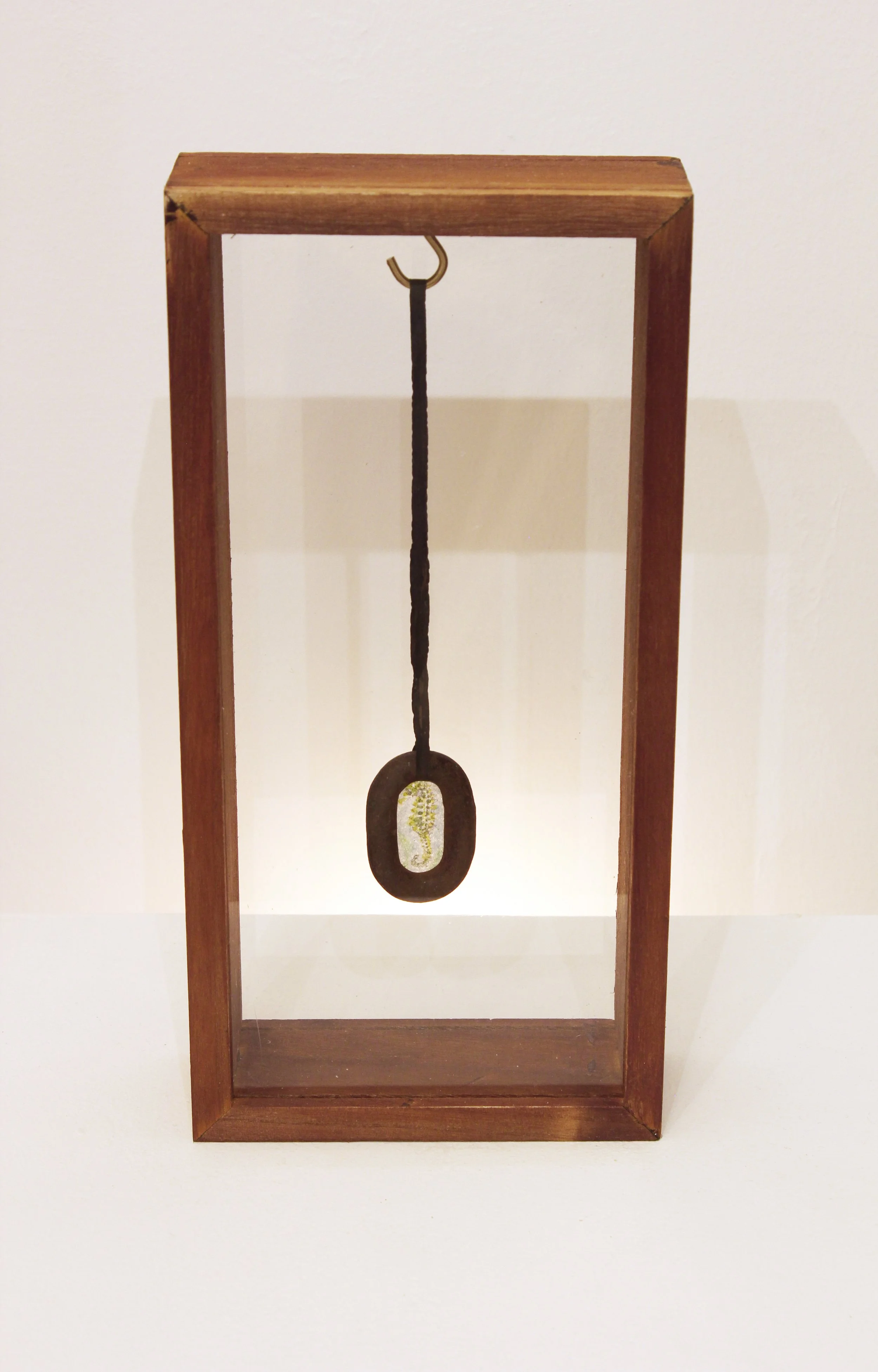
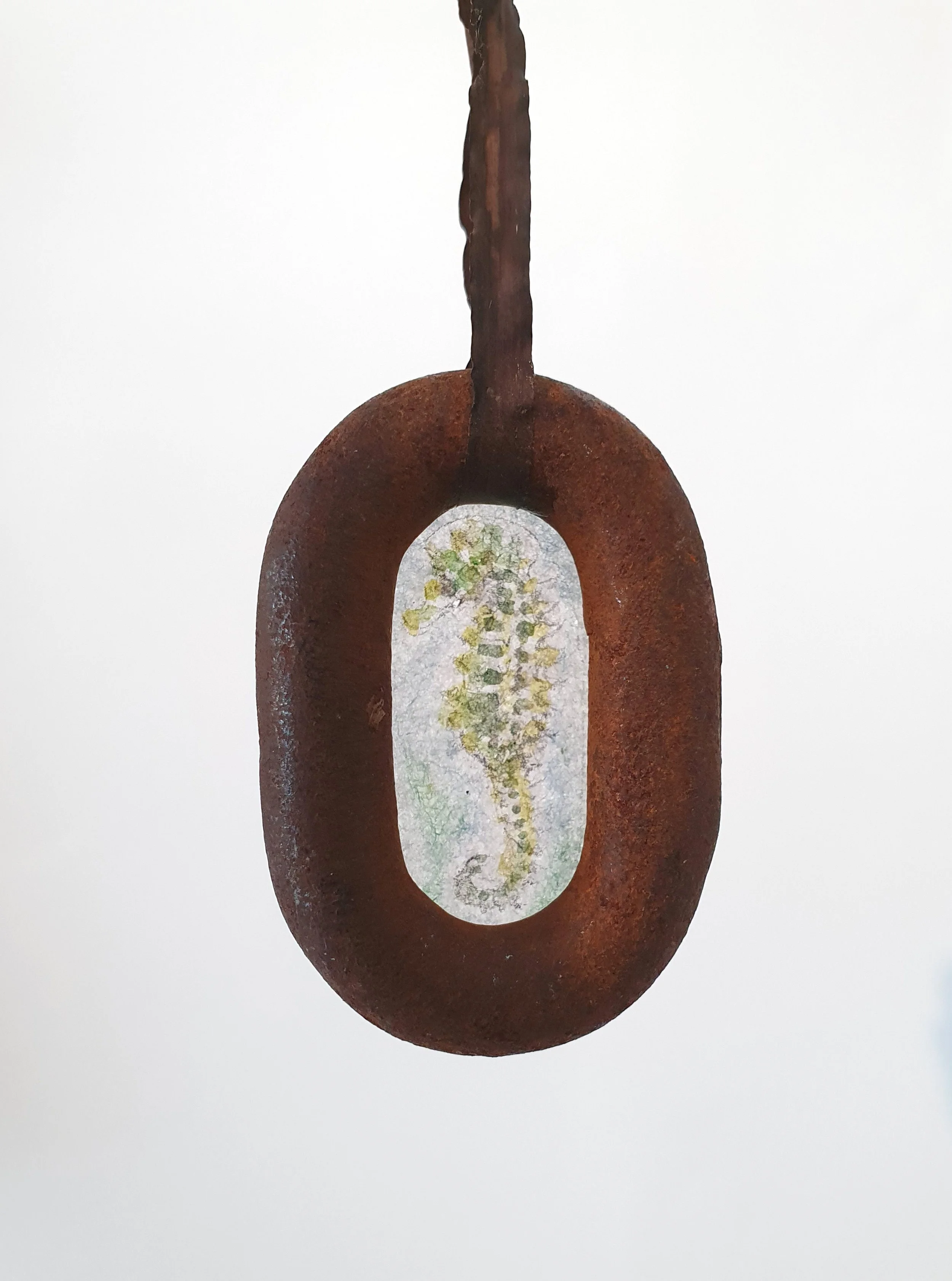
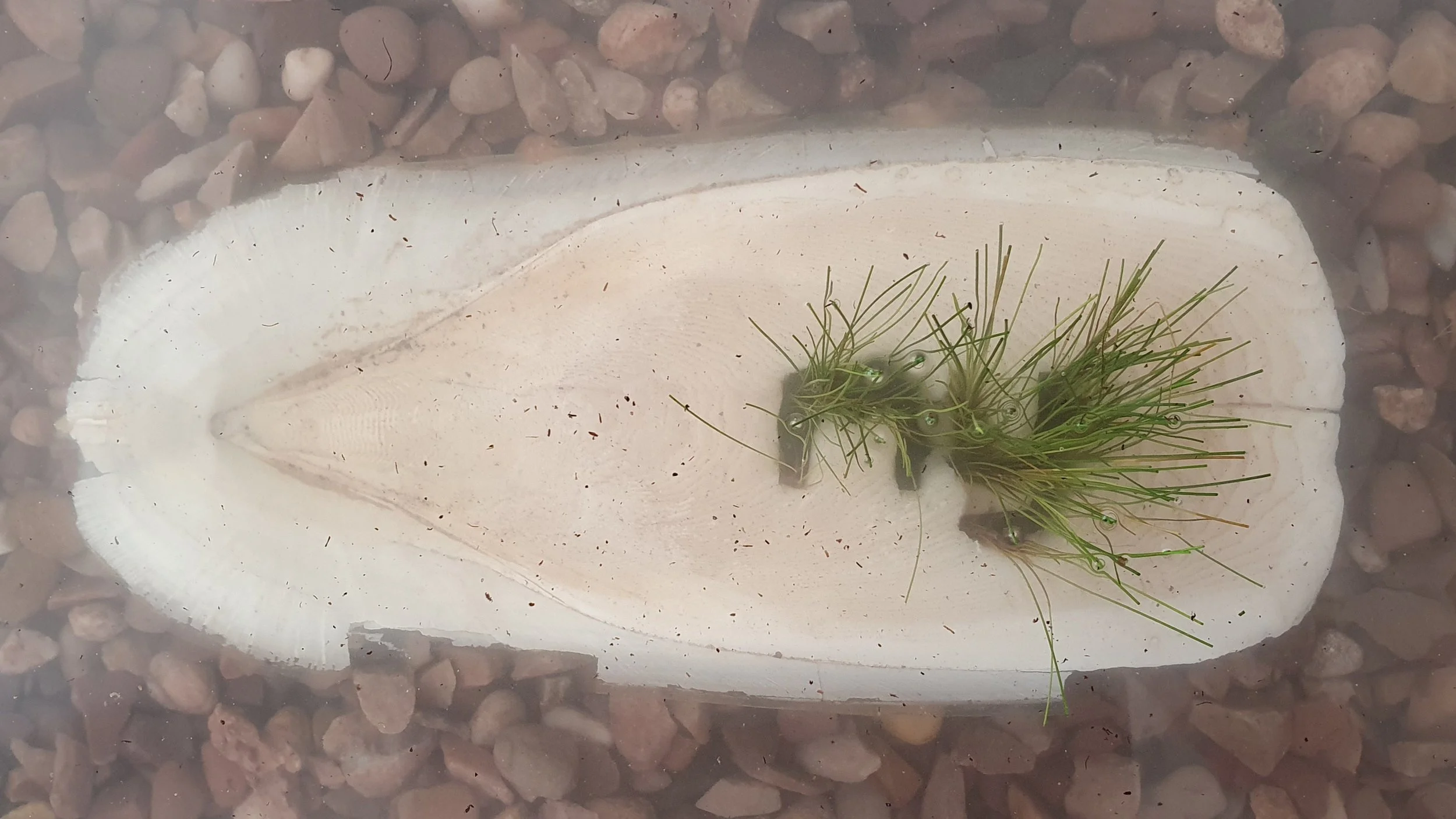
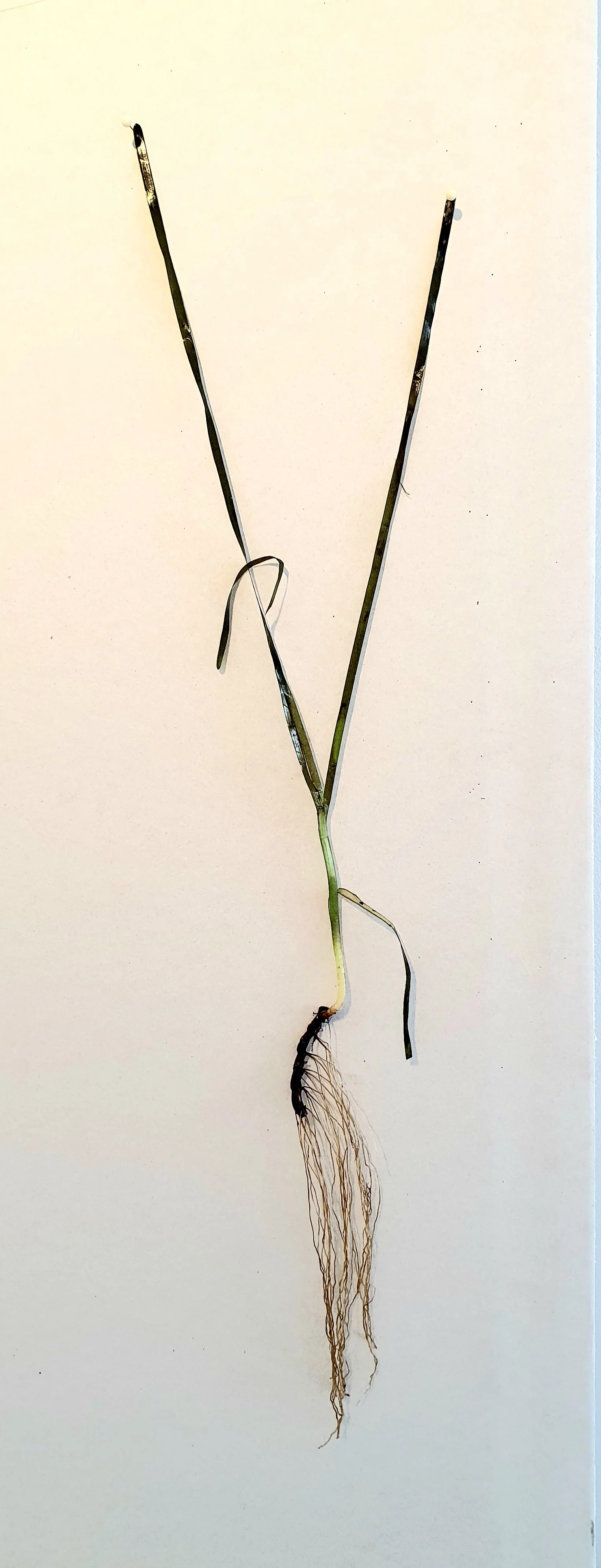
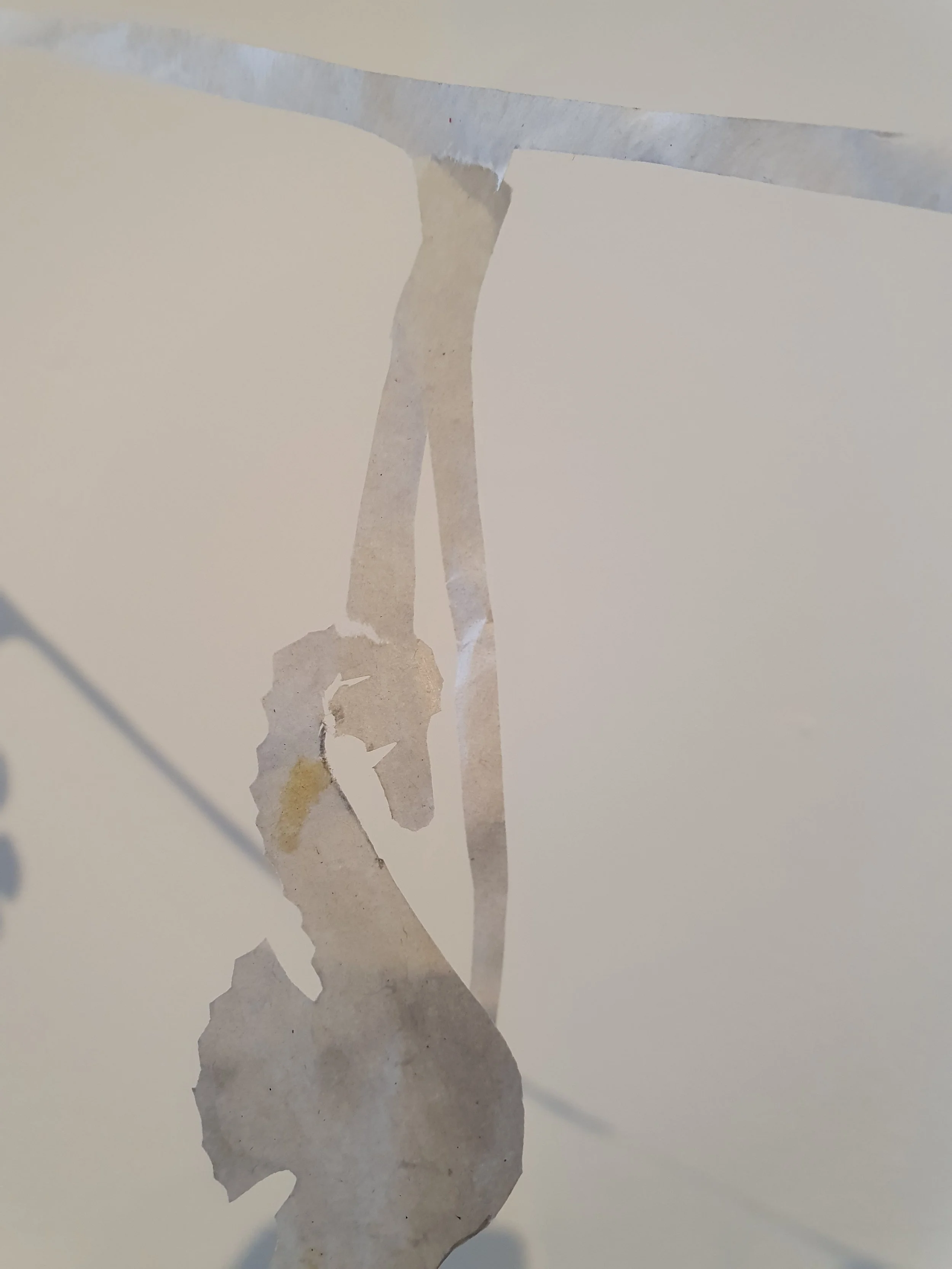
With these pieces of work Gill has explored the human impact and reliance on seagrass and seabed habitats locally and globally. Seagrass is thought to be 35 times more efficient at absorbing carbon than tropical rainforests and yet since the 1930s 90% of seagrass beds have been lost globally. Seagrass offers a nursery ground for popular culinary fish such as cod and a habitat for cuttlefish and endangered species such as seahorses.
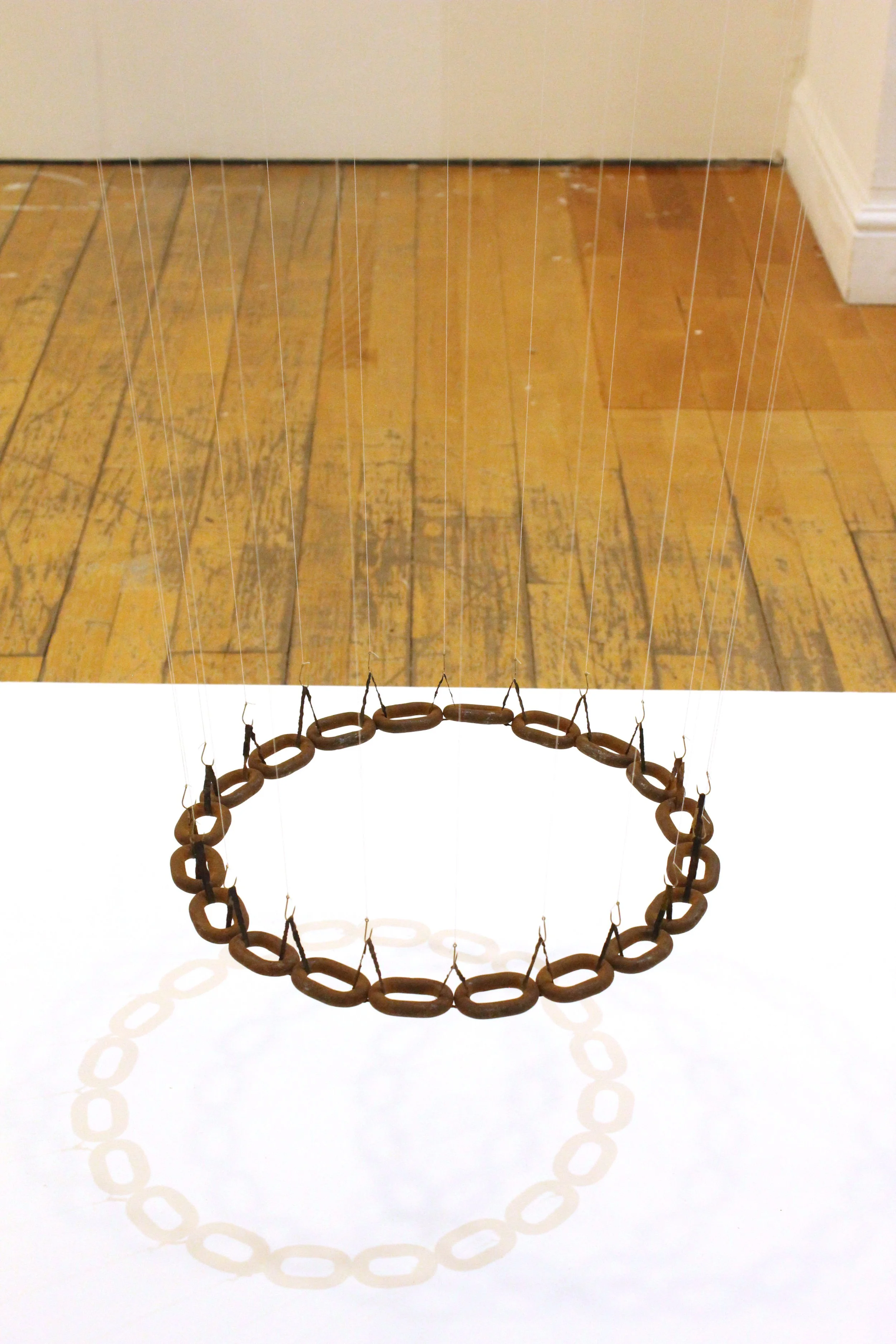
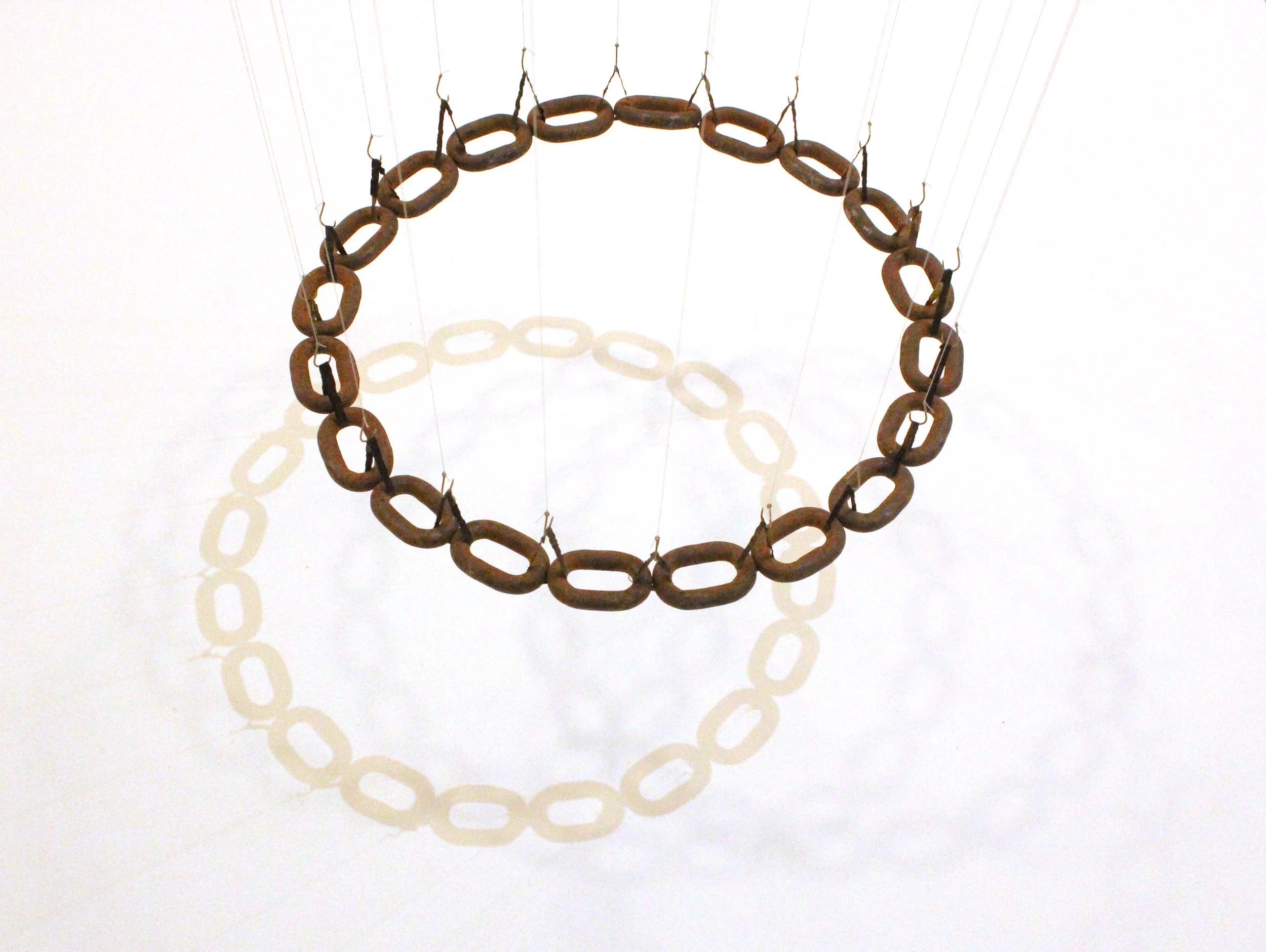
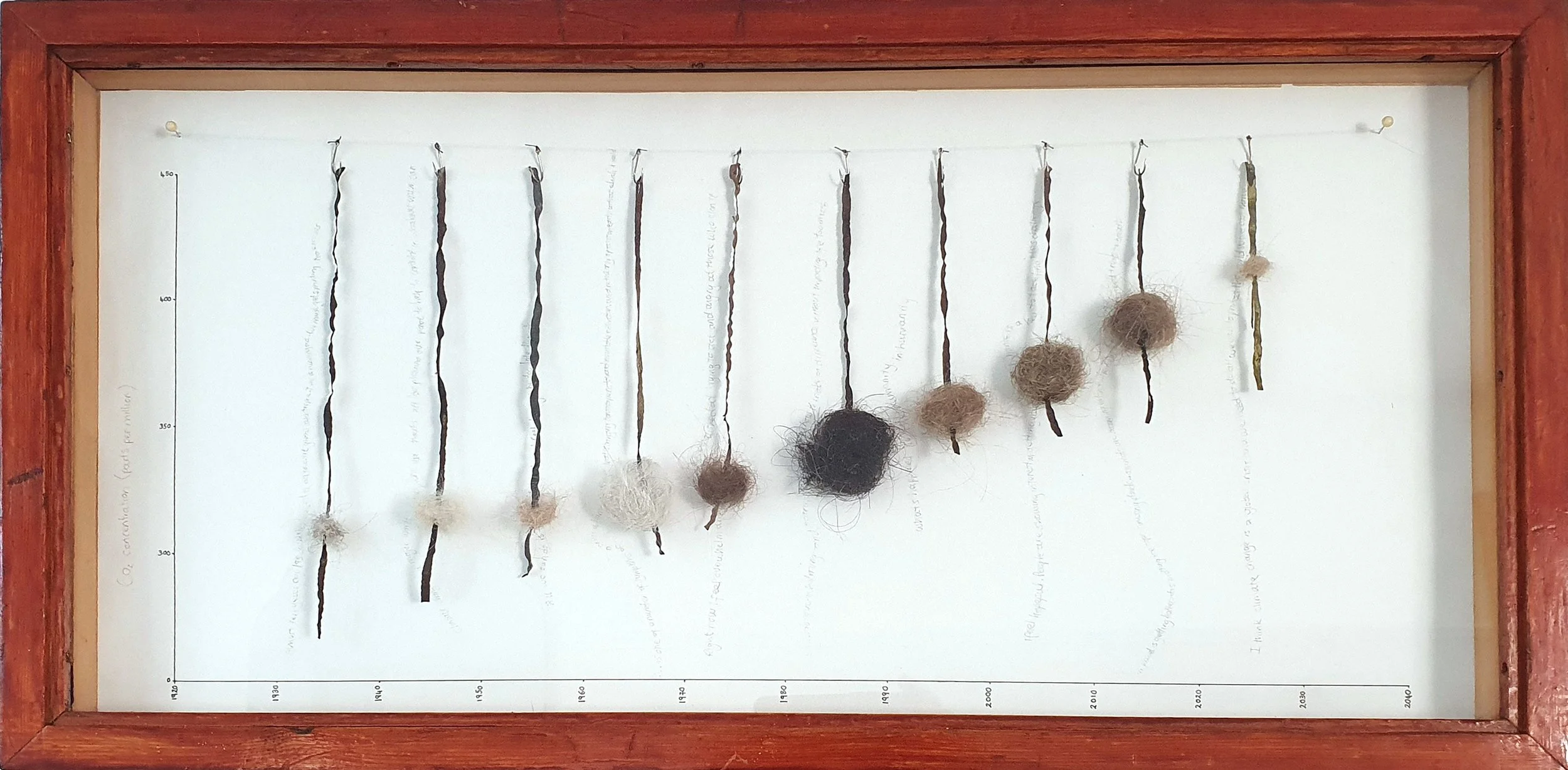
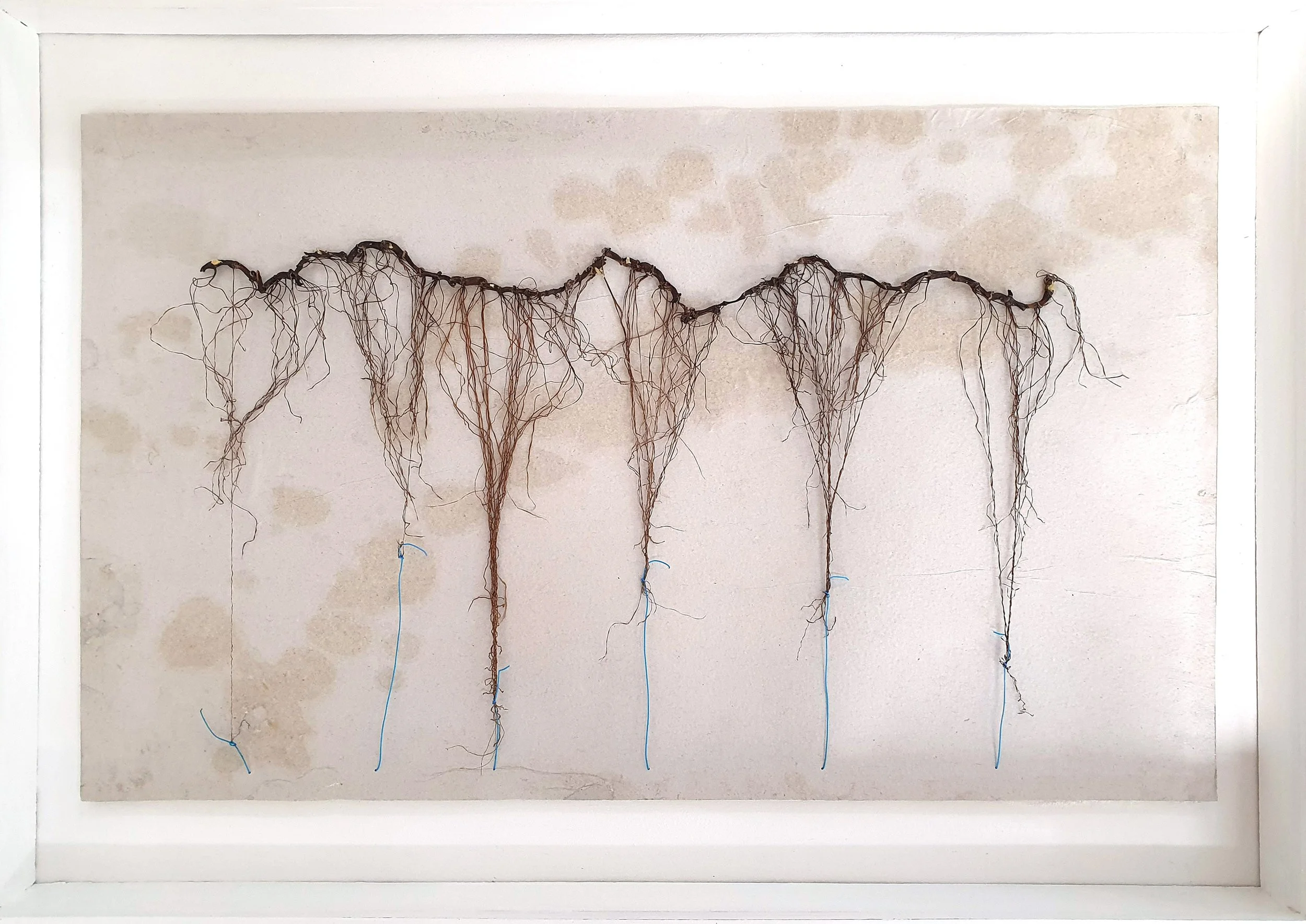
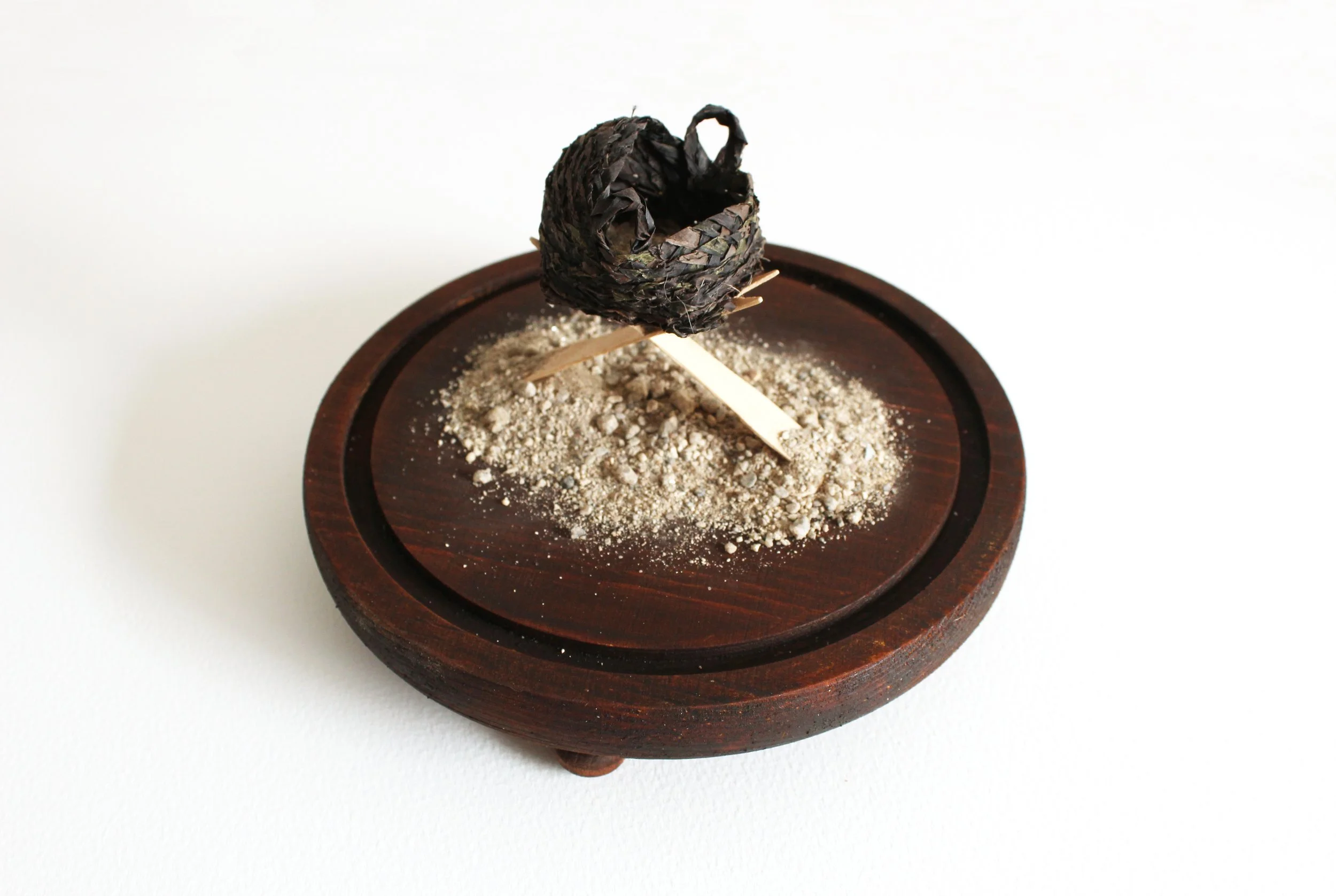
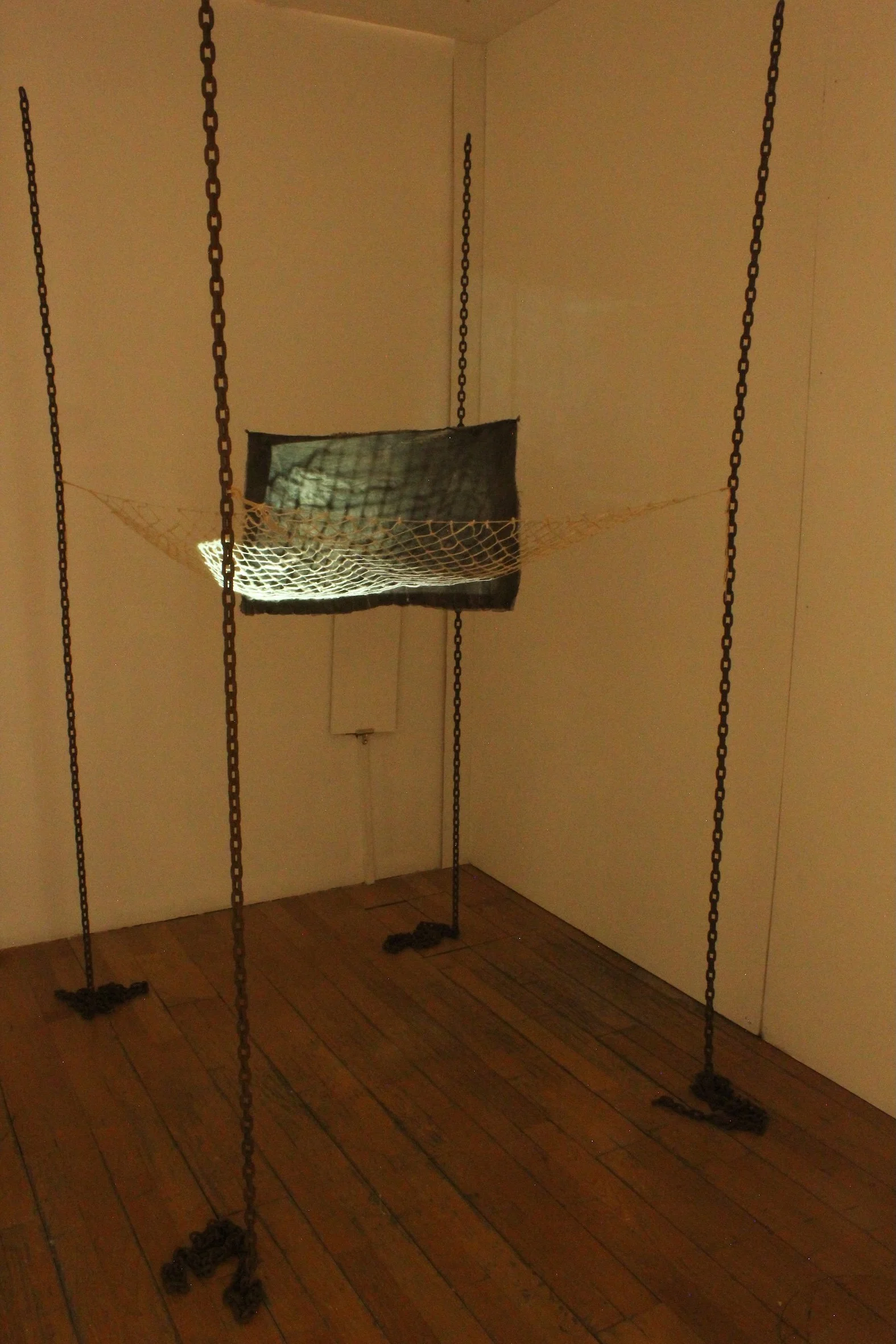
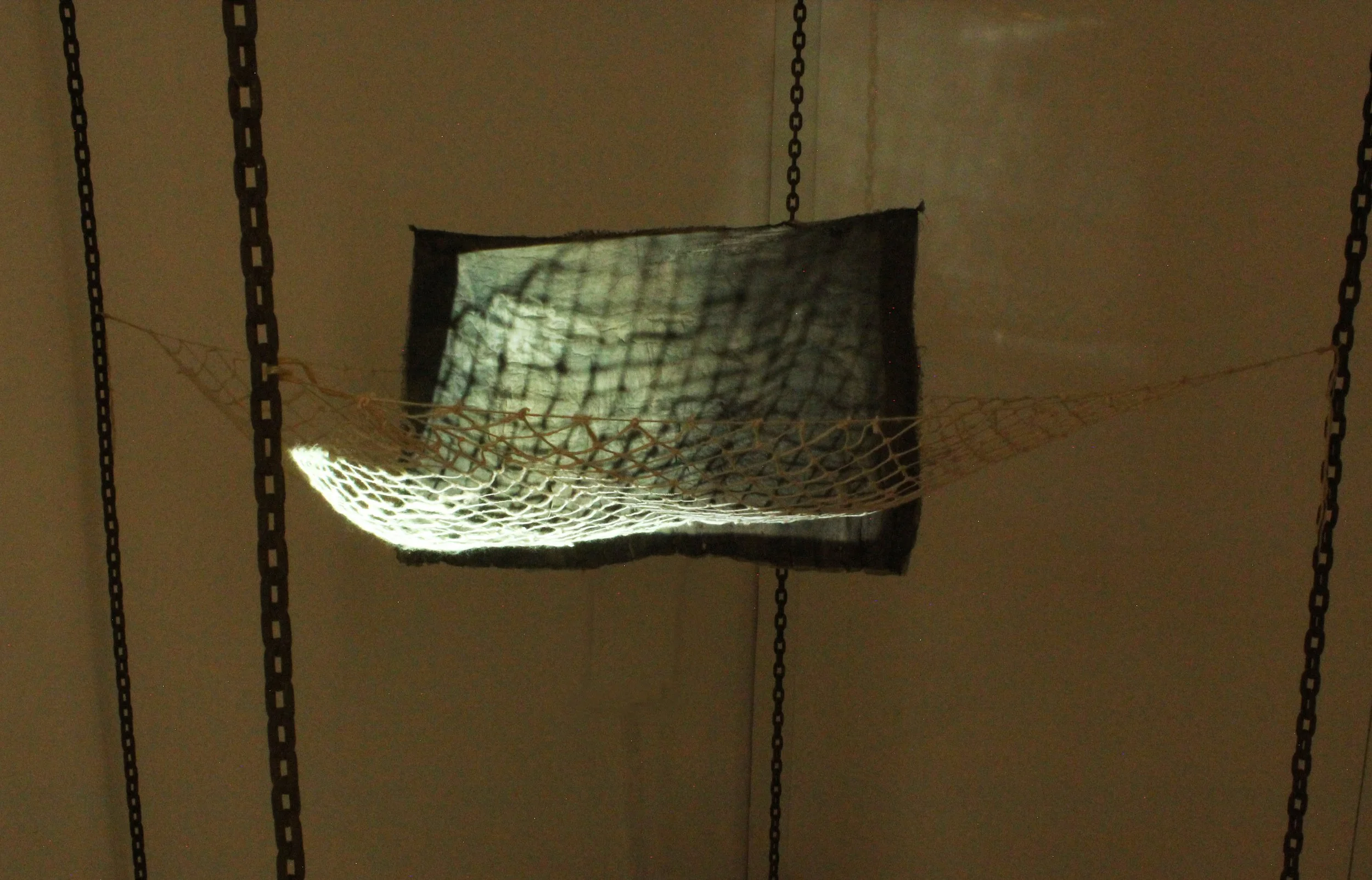
This series of works evolved through local conversations and observations, creating mixed media “entanglements”, combining beach combed objects, organic matter and human tools used both in the sea and to consume its treasures. They create dialogues to explore the fragility of the seabed and in so doing celebrate the strength and importance of seagrass habitats for our own wellbeing. The unexpected relationships of materials both within the works and to us, hope to challenge, provoke thought and encourage people to ask questions about important marine issues.
The Geopark designation has offered a unique canvas, drawing together a geography that includes Marine Conservation Zones that must share space with a fishing heritage that includes one of the largest fisheries in the country, a leisure industry, and local residents, all reliant on these same natural resources. All of this against a backdrop of UN Sustainable Development Goals that the world struggles to achieve, and a global ecosystem dependent on local conservation.
Thanks to Blue Meadows Project and Ocean Conservation Trust in providing access to their seagrass restoration nursery and seagrass seeds. Thanks also to Neil Garrick-Maidment for his time and permission to use Seahorse Trust images.
Gill Melling Artist’s statement for exhibition
Entanglements in Marine Environments
With these pieces of work Gill has explored the human impact and reliance on seagrass and seabed habitats locally and globally. Seagrass is thought to be 35 times more efficient at absorbing carbon than tropical rainforests and yet since the 1930s 90% of seagrass beds have been lost globally. Seagrass offers a nursery ground for popular culinary fish such as cod and a habitat for cuttlefish and endangered species such as seahorses.
This series of works evolved through local conversations and observations, creating mixed media “entanglements”, combining beach combed objects, organic matter and human tools used both in the sea and to consume its treasures. They create dialogues to explore the fragility of the seabed and in so doing celebrate the strength and importance of seagrass habitats for our own wellbeing. The unexpected relationships of materials both within the works and to us, hope to challenge, provoke thought and encourage people to ask questions about important marine issues.
The Geopark designation has offered a unique canvas, drawing together a geography that includes Marine Conservation Zones that must share space with a fishing heritage that includes one of the largest fisheries in the country, a leisure industry, and local residents, all reliant on these same natural resources. All of this against a backdrop of UN Sustainable Development Goals that the world struggles to achieve, and a global ecosystem dependent on local conservation.
Thanks to Blue Meadows Project and Ocean Conservation Trust in providing access to their seagrass restoration nursery and seagrass seeds. Thanks also to Neil Garrick-Maidment for his time and permission to use Seahorse Trust images.
Clinging On
Growing Together
Entanglements
In Defence
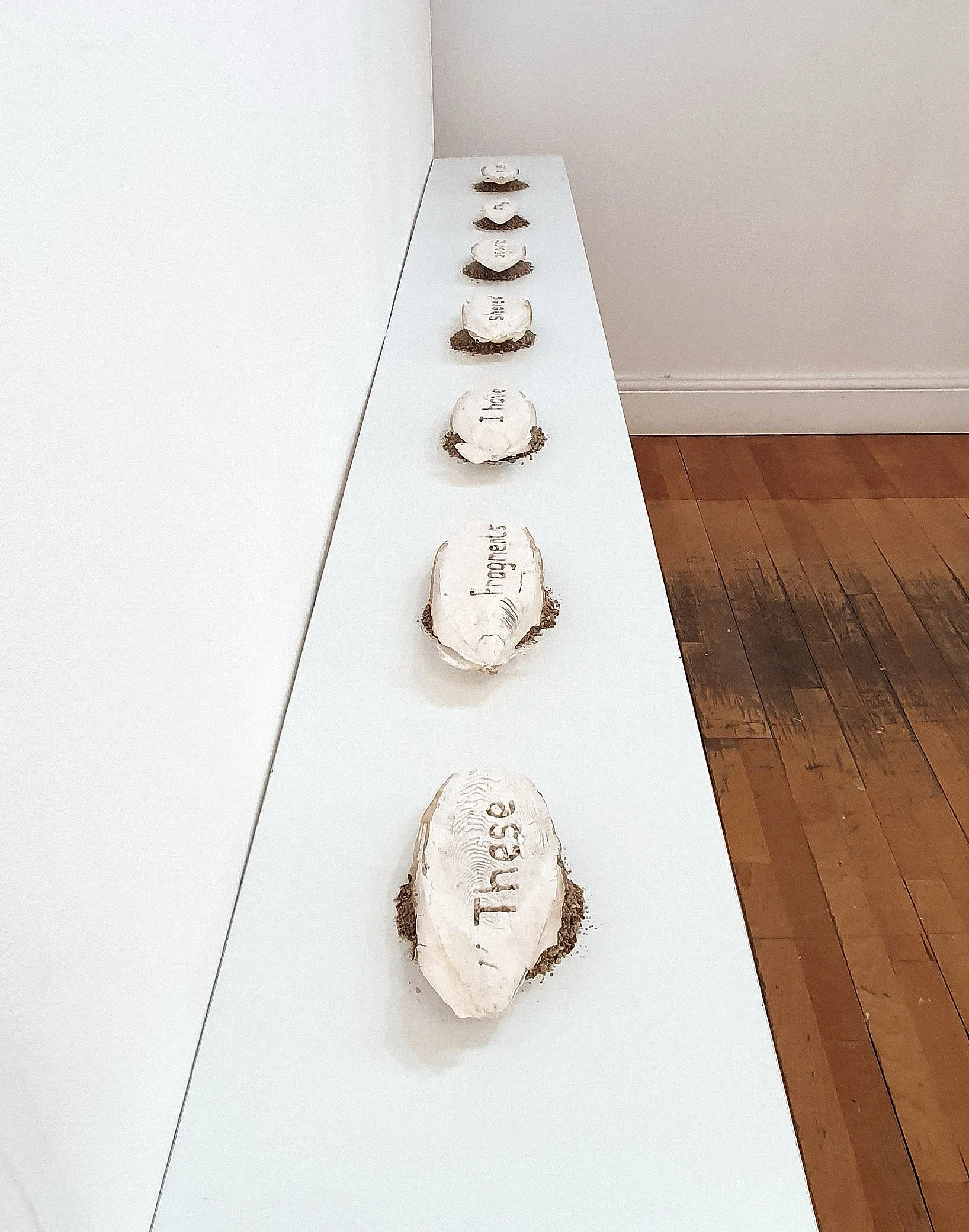
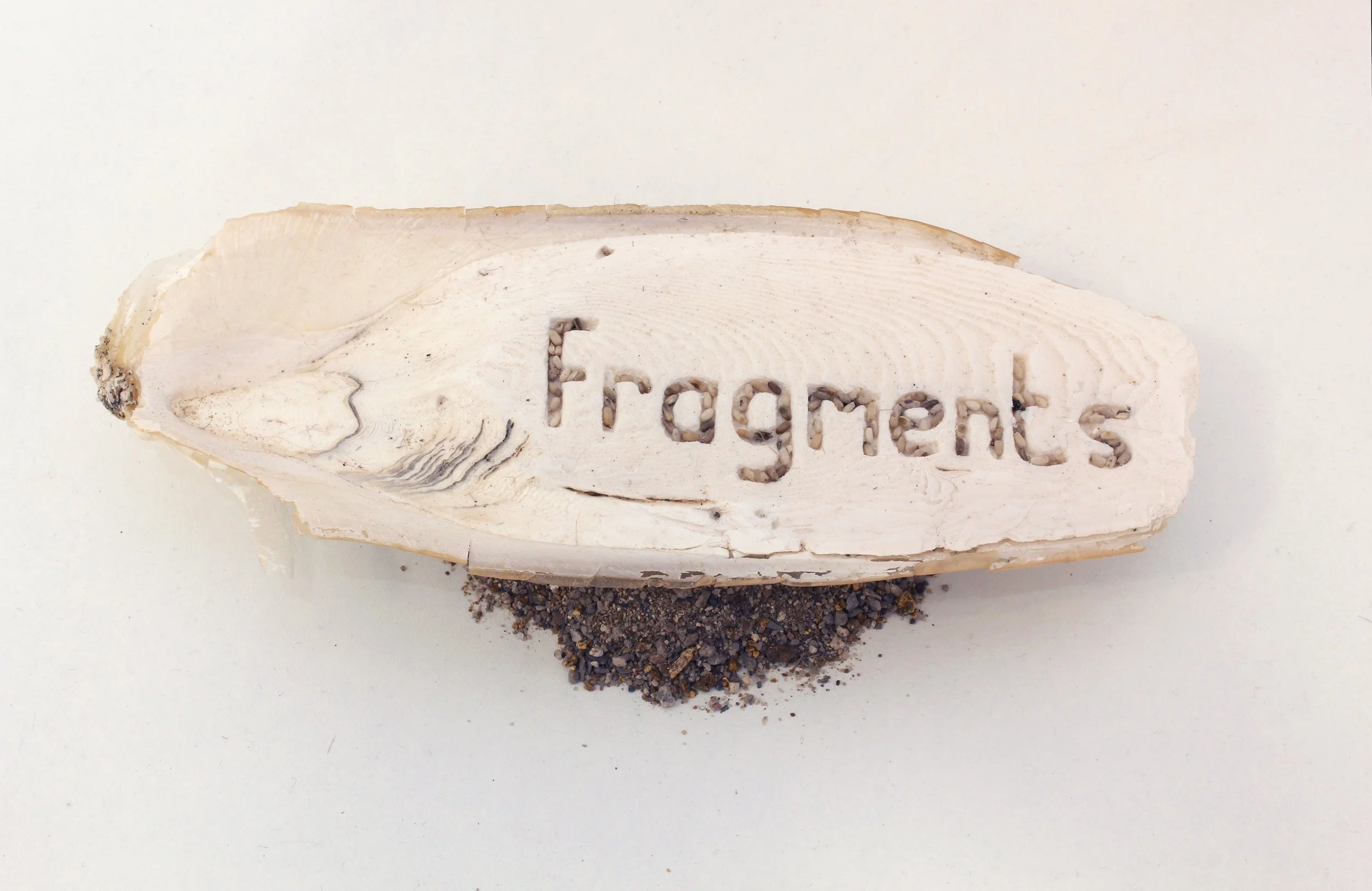
These Fragments I have Shored
Nursery Bed
Nursery Bed
Little Gem
Holding our Breath
Untitled - fish forks in a seaweed fibre net
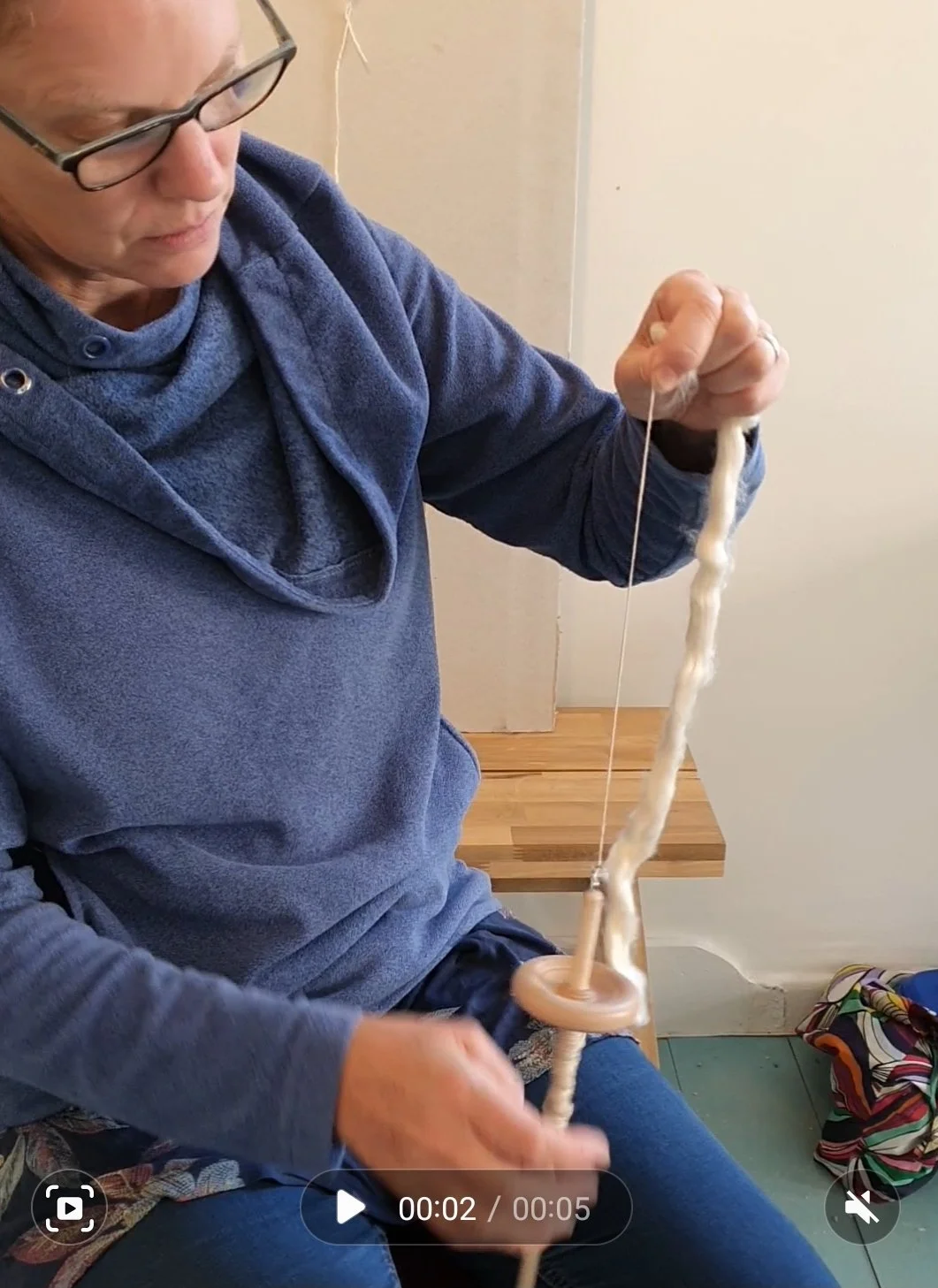
Still from spinning seaweed fibre into thread
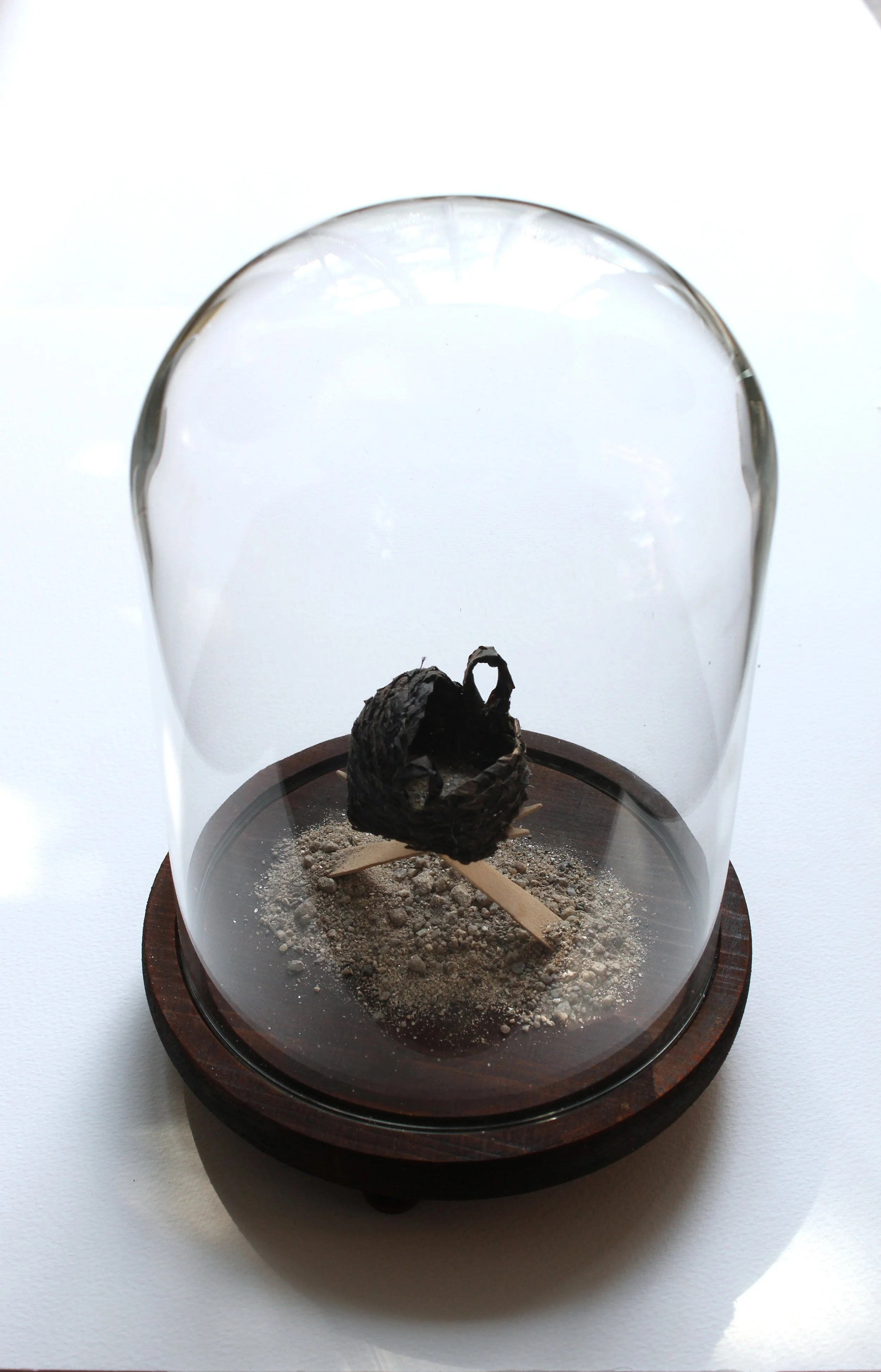
What's Left Behind
Quisque iaculis facilisis lacinia. Mauris euismod pellentesque tellus sit amet mollis.